
As you pursue a Psychology degree, it is natural (and encouraged!) to think “what’s next?”
The path forward in Psychology is broad and varied, depending on your goals, expectations, and how you want to make an impact. To employers and graduate schools, PSY majors are those who can work well with others, analyze and interpret information, understand people’s behavior and motivations, and communicate clearly.
This page will help you explore what you can do and how you can prepare for your next steps, post-MSU.

What can I do with a PSY Degree?
A PSY degree is like a Swiss Army knife. While engineers or accountants have training that’s very sharp and specific (think: scalpel), PSY majors possess a flexible skillset that allows you to adjust and fit into a variety of careers.
So, how do you figure out what’s right for you?
Step 1: Reflect
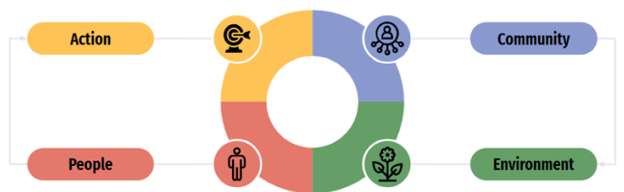
Reflect on your interests using the P.A.C.E Method:
- People
- Who do you want to work with? Spend your time with? Make an impact with/on?
- Action
- What type of work do you want to do?
- Picture what you might do: are you an advocate? Hands-on worker? Consultant? Others?
- Community
- What sort of community do you belong to? Want to belong to? Have an impact on?
- Environment
- What type of organization do you want to work for/with? Nonprofit? Fortune 500 company? Government?
- Do you want to work in your local community or travel the world? Do you prefer big-city or small-town living?
- Do you prefer a desk job or staying on the move?
Step 2: See what’s out there
- Explore common job options associated with a Psychology degree (psst, check out our list below).
- Plug these job titles into career websites like Handshake and ZipRecruiter to get a sense of a role’s:
- Responsibilities and tasks.
- Educational requirements and qualifications.
- Build relevant experience!
- Visit our Experiential Learning page for ideas.
- Attend Career and Internship Fairs to explore opportunities.
Need Support?
- Check in regularly with your PSY advisor about your career interests and plans.
- MSU’s Career Service Network Consultants can help you:
- Map out your career pathway.
- Create a job search strategy.
- Write resumes and cover letters.
- Prepare for interviews.
- Evaluate job offers.
What jobs can I get with a degree in psychology?
It’s a common misconception that you need a graduate degree in PSY to get a decent job. While some jobs do require graduate education (e.g., mental health practitioner), many do not.