What is Experiential Learning?
Experiential learning = experience-based learning (not "experimental").
Your courses help you understand how people think, feel, learn, and behave. Experiential learning gives you opportunities to apply that knowledge in real-world settings while developing the skills, confidence, and professional experience that come from doing – not just studying.
Whether you're conducting research, mentoring students, serving in the community, completing an internship, or studying abroad, experiential learning helps connect classroom concepts to real people, real challenges, and real opportunities.
The goal isn't simply to earn credit; it's to gain experiences that help you explore career paths, build your résumé, strengthen graduate school applications, and discover what you want to do next.
The short version? The more experience you build, the better!
Why is it important?
Short answer: it’s required.
Real answer: it’s one of the most valuable parts of your degree.
All PSY majors completing a BA or BS degree within the College of Social Science must complete at least one approved 3- or 4-credit experiential learning experience, but students who go further gain a major advantage.
These experiences help you:
- Apply what you’ve learned in real-world settings.
- Build skills employers and grad schools actually look for.
- Explore career paths before you commit.
- Start making an impact in your community.
This is where your degree starts to feel real.
What do I have to complete?
To meet the College of Social Science Experiential Learning Requirement, you’ll complete at least one approved 3- or 4-credit experiential learning course.

The College of Social Science recognizes a wide range of opportunities, including:
- Internships
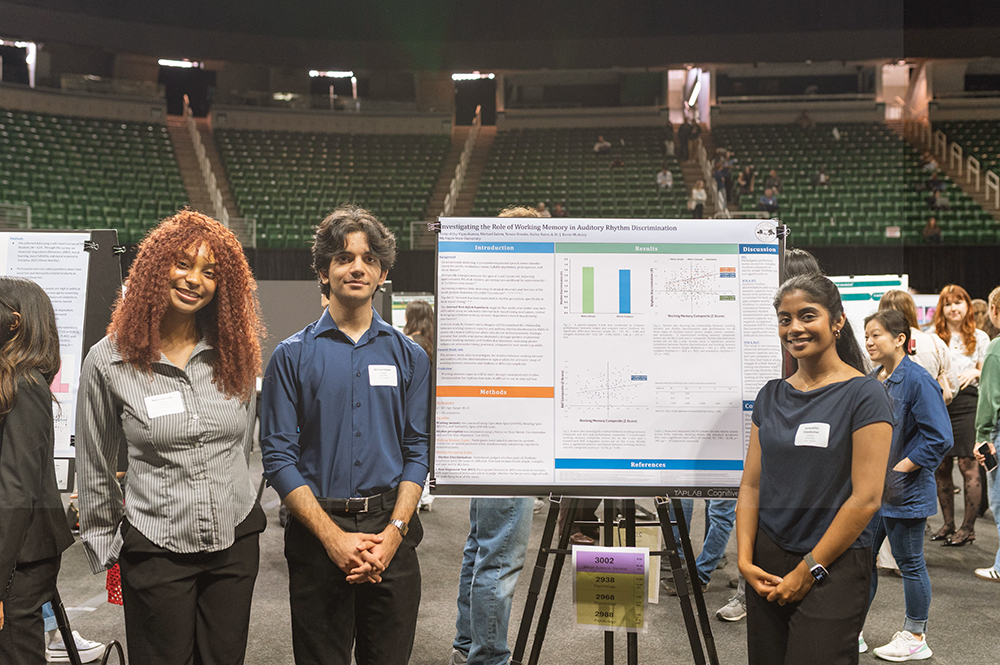
- Undergraduate research
- Service learning
- Study abroad or study away
- Honors thesis work
These experiences are designed to help you build problem-solving skills, connect ideas across courses, and apply your knowledge beyond the classroom.
View the full list of approved options (PDF)
When do I complete this requirement?
You can complete this requirement at different points but earlier is usually better.
We recommend having at least one experience completed before your senior year, especially if you’re considering grad school.
Why?
- You’ll have something strong to talk about in applications.
- You avoid the stress of last-minute planning.
That said, many students start building experience as early as their first year.
Check out our Timeline page for planning support.
There are lots of ways to complete this requirement. Not sure where to start? You’re not alone.
Below are some of the most common experiential learning paths for PSY students. Explore your options and see what sparks your interest.
What are my options?