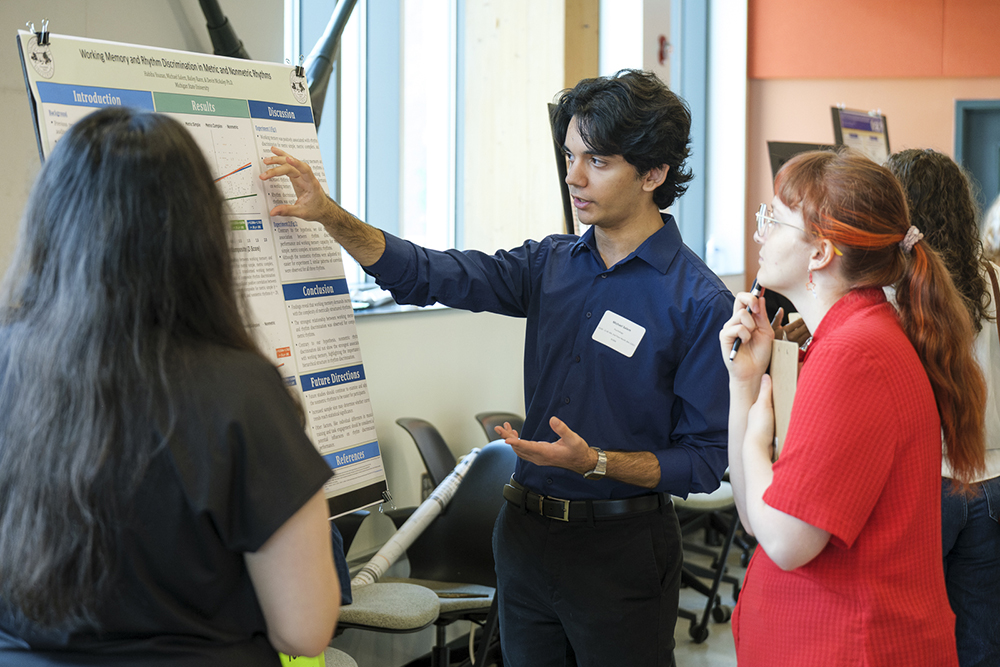
What is undergraduate research?
Undergraduate research involves working with faculty members on real research projects in psychology (or other disciplines).
Instead of participating in studies (like you may have done through SONA), you’ll help run them. That might include recruiting participants, collecting data, analyzing results, or supporting a research team.
Serving as an undergraduate research assistant is one of the most direct ways to see how psychological knowledge is actually created.
What will I gain from this experience?
Research experiences vary widely depending on the lab, but most students strengthen:
- Content knowledge in a specific area of psychology.
- Research and data skills (e.g., data collection, analysis, interpretation).
- Academic writing and critical thinking.
- Professional relationships with faculty.
That last one matters more than you might think; working closely with faculty is one of the best ways to build strong letters of recommendation for graduate school or jobs.
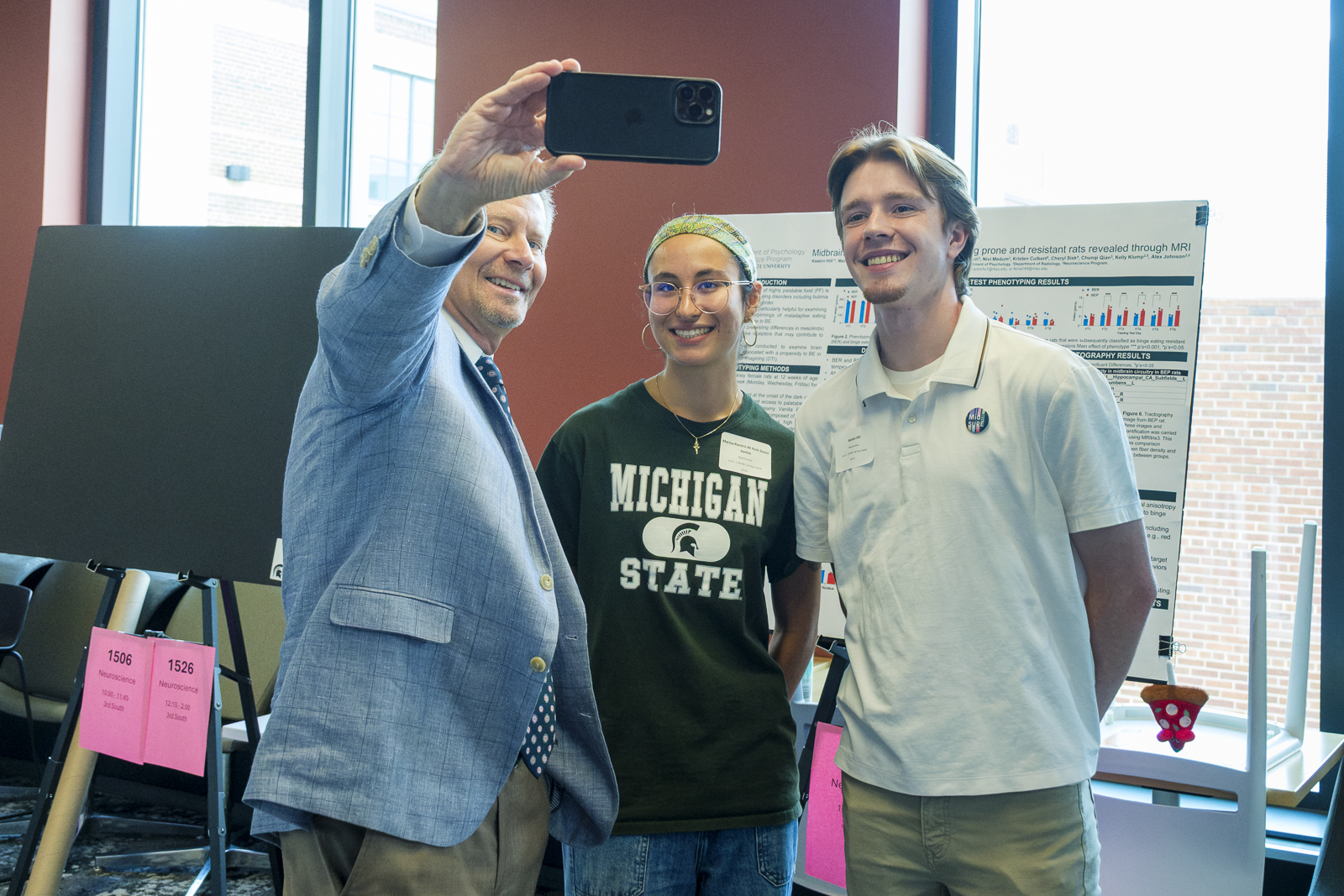
Many students also gain:
- Presentation experience (e.g., UURAF).
- Publications in peer-reviewed journals.
- Scholarships/grants (e.g., Dean’s Assistantship, PURI).
- A clearer sense of their academic and career interests.
Is this experience for me?
Undergraduate research is especially valuable if you:
- Are considering graduate school (essential for PhD programs).
- Plan to pursue a master’s degree or medical degree.
- Are interested in research, data, or analytics-focused careers.
- Enjoy asking questions and digging deeper into topics from class.
Even if you’re unsure, research can be a great way to explore your interests in a structured, mentored environment.
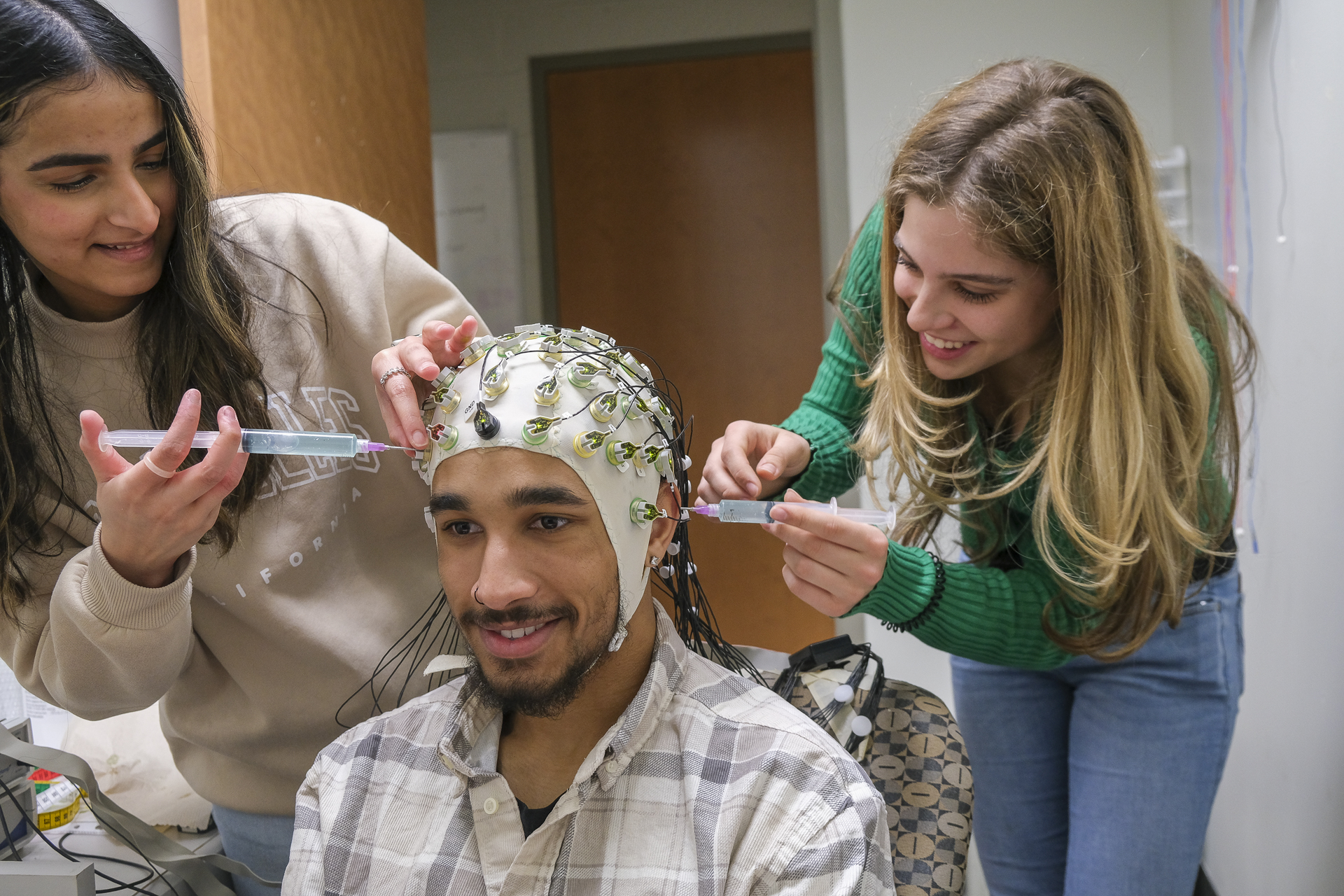
How do I participate in research at MSU?
Step 1: Credit or no credit?
First, decide what you want this experience to do for you.
- Want to meet your Experiential Learning Requirement? Go for credit.
- Just want to build experience (paid or volunteer)? No credit needed.
Both options are great. It just depends on your goals. Note: Some labs may expect a multi-semester commitment before offering credit (or have you volunteer for a semester or two before awarding course credit).
Step 2: Identify labs and faculty
Start by exploring:
Before reaching out, you are strongly encouraged to:
- Read at least 1–2 of the faculty member’s recent publications.
- Review their lab website (if available).
Step 3: Reach out or apply
While there is no standard application timeline – every lab is on its own schedule – professors tend welcome new lab members at the beginning of fall semester. This means it’s a good idea to reach out at the end of spring semester or early fall semester. Keep an eye on our social media and newsletter for opportunities that may become available at other times during the year.
Some labs have formal applications. Others require you to reach out directly.
If no instructions are listed on a professor's/lab's website:
- Write a cover letter–style email expressing your interest.
- Explain why you’re interested in their research (ideally, connect this to your academic and/or professional goals).
- Highlight relevant skills, experiences, or coursework.
Step 4: Enroll for credit (if applicable)
The number of independent study (i.e., research) credits for which you're eligible to enroll depends on the number of hours you'll commit each week to lab work and/or lab-related tasks. For every 1 credit in which you enroll, you commit 3 hours per week to lab-related tasks. So, 2 credits x 3 hours = 6 hours/week, 3 credits x 3 hours = 9 hours/week, and so on...
- PSY 490: Special Problems in Psychology
- Credits: 1–12
- Grading: numerical grade
- Semesters: Fall, Spring, Summer
- Work closely with a faculty member on a research project.
- PSY 491: Participation in Psychological Project
- Credits: 1–12
- Grading: Pass/No Grade
- Semesters: Fall, Spring, Summer
- Participate in an ongoing research project.
If you're working with a professor outside of PSY, ask them what credit options are available to you through their department.
Visit our Advising Forms page to access the Independent Study Form.
How do I participate in research at other institutions?
You are not limited to research opportunities at MSU. Students can also gain experience through summer research programs and post-baccalaureate (“post-bacc”) research positions at other universities and organizations.
Summer research programs are short-term (typically 8–10 weeks), full-time experiences that allow you to work on a research project with faculty at another institution. These are especially valuable for students considering PhD or medical programs.
Post-bacc research positions are longer-term opportunities (often 1–2 years after graduation) where you work as a full-time research assistant or coordinator. These are ideal if you want to:
- Strengthen your research experience before applying to graduate school.
- Build technical and data skills.
- Gain strong letters of recommendation.
Many summer programs are paid and include housing and travel support.
In some cases, summer research experiences may be eligible for academic credit, but this is not guaranteed. Consult with your PSY advisor in advance if you’re hoping to apply these experiences toward degree requirements.