Jump to HeaderJump to Main ContentJump to Footer
Michigan State University
Department of Psychology
  • Directory
  • Give
  • Login

College of Social Science

Department of Psychology

  • Academics
    • Overview
    • Undergraduate
    • Graduate
    • Adolescent Diversion Program
    • Advising
    sona-participation-photo1

    HPR/SONA Participation

    Participate in psychology research!
  • |
  • Research
    • Overview
    • Clinical Science
    • Cognition and Cognitive Neuroscience
    • Social / Personality Psychology
    • Behavioral Neuroscience
    • Organizational Psychology
    • Ecological-Community Psychology
    • Work and Organizational Psychology
  • |
  • News
  • |
  • Events
  • |
  • About
    • Overview
    • Message from the Chair
    • Access, opportunity, and excellence
    • Our Facilities
    • Contact
    merch-web2

    Visit our online store

    Shop Today!
  • |
  • Directory
  • |
  • Clinic
    • Overview
    • About
    • Clinical Staff
    • Administrative Staff
    • Resources
    • Online Bill Payment
    • Support the Clinic
    MSU Psych Clinic

    Ready to get started?

    Make an Appointment
Department of Psychology

College of Social Science

  • Academics
  • Research
  • News
  • Events
  • About
  • Directory
  • Clinic

< Academics

  • Overview
  • Undergraduate
  • Graduate
  • Adolescent Diversion Program
  • Advising
sona-participation-photo1

HPR/SONA Participation

Participate in psychology research!

< Research

  • Overview
  • Clinical Science
  • Cognition and Cognitive Neuroscience
  • Social / Personality Psychology
  • Behavioral Neuroscience
  • Organizational Psychology
  • Ecological-Community Psychology
  • Work and Organizational Psychology

< News

< Events

< About

  • Overview
  • Message from the Chair
  • Access, opportunity, and excellence
  • Our Facilities
  • Contact
merch-web2

Visit our online store

Shop Today!

< Directory

< Clinic

  • Overview
  • About
  • Clinical Staff
  • Administrative Staff
  • Resources
  • Online Bill Payment
  • Support the Clinic
MSU Psych Clinic

Ready to get started?

Make an Appointment
  • Directory
  • Give
  • Login
Behavioral Neuroscience

Aug. 27, 2025

MSU study finds tiny microbes shape brain development

Shelly DeJong

Summary

Why this matters: 

  • Microbes, or microorganisms, are all around us and play an important role in bodily functions. MSU researchers found that microbes can also impact brain development.

  • This work is significant because modern obstetric practices like peripartum antibiotic use and Cesarean delivery disturb the microbiome of mothers and newborns.

New research from Michigan State University finds that microbes play an important role in shaping early brain development, specifically in a key brain region that controls stress, social behavior, and vital body functions.
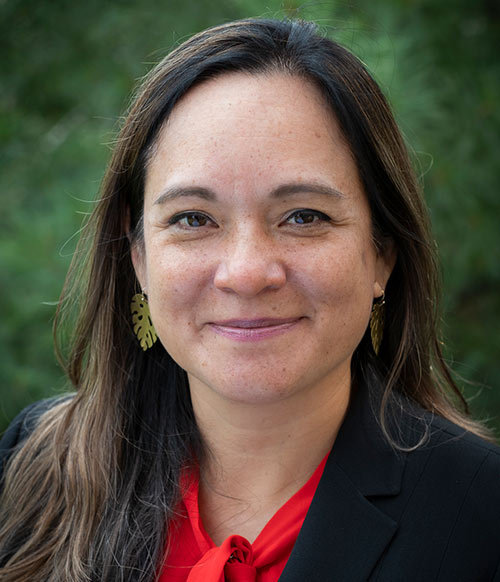
Alexandra Castillo Ruiz.

The study, published in Hormones and Behavior, used a mouse model to highlight how natural microbial exposure not only impacts brain structure immediately after birth but may even begin influencing development while still in the womb. A mouse model was chosen because mice share significant biological and behavioral similarities with humans and there are no other alternatives to study the role of microbes on brain development.

This work is of significance because modern obstetric practices, like peripartum antibiotic use and Cesarean delivery, disrupt maternal microbes. In the United States alone, 40% of women receive antibiotics around childbirth and one-third of all births occur via Cesarean section.

“At birth, a newborn body is colonized by microbes as it travels through the birth canal. Birth also coincides with important developmental events that shape the brain. We wanted to further explore how the arrival of these microbes may affect brain development,” said Alexandra Castillo Ruiz, lead author of the study and assistant professor in the MSU Department of Psychology.

The research team focused on a brain region called the paraventricular nucleus of the hypothalamus (PVN), which plays a central role in regulating stress, blood pressure, water balance, and even social behavior. Their previous work had shown that mice raised without microbes, or germ-free mice, had more dying neurons in the PVN during early development. The new study set out to determine whether this increased cell death translated to changes in neuron number in the long run, and if any effects could be caused by the arrival of microbes at birth or if they began in the womb via signals from maternal microbes.

To find out, the researchers used a cross-fostering approach. Germ-free newborn mice were placed with mothers that had microbes and compared them to control groups. When the brains of these mice were examined just three days after birth, results were striking: All mice gestated by germ-free mothers had fewer neurons in the PVN, regardless of whether they received microbes after birth. They also found that germ-free adult mice had fewer neurons in the PVN.

“Our study shows that microbes play an important role in sculpting a brain region that is paramount for body functions and social behavior. In addition, our study indicates that microbial effects start in the womb via signaling from maternal microbes,” said Castillo-Ruiz.

Rather than shunning our microbes, we should recognize them as partners in early life development,” said Castillo-Ruiz. “They’re helping build our brains from the very beginning.”

Behavioral Neuroscience

Academics

  • Graduate
  • Undergraduate

About

  • Access, opportunity, and excellence
  • Message from the Chair
  • Directory
  • Our Facilities
  • Give

Research

  • Behavioral Neuroscience
  • Clinical Science
  • Cognition & Cognitive Neuroscience
  • Ecological / Community Psychology
  • Organizational Psychology
  • Social / Personality Psychology
  • Work and Organizational Psychology

Clinic

  • About
  • Administrative Staff
  • Clinical Staff
  • Resources
  • Getting Started
  • Online Bill Payment

News & Events

  • News
  • Events

Contact us

(517) 355-9562

Address

Department of Psychology Michigan State University Psychology Building 316 Physics Rd, East Lansing, MI 48824

Follow Us

  • Visit our Facebook page
  • Visit our page on X
  • Visit our Instagram page
  • Visit our LinkedIn page
  • Visit our YouTube page

If you're having accessibility issues, please let us know.

Know More: Campus Safety Information and ResourcesTransparency Reporting: Budget & Salary/Compensation
  • Contact Information|
  • Site Map|
  • Privacy Statement|
  • Site Accessibility|
  • Call MSU: (517) 355-1855|
  • Visit: msu.edu|
  • Notice of Nondiscrimination|

SPARTANS WILL|© Michigan State University|